ROUTE 01 / PEOPLE
Where does intent become visible?
Start with a small set of observed actions and the language people use to explain them. Then locate the friction worth understanding.

METRIC EXPEDITION ATLAS / OPEN FIELD NOTE
Jorequmal turns a business question into a route through evidence, comparison and a decision your team can explain.
Open the compassQUESTION COMPASS / PICK A DIRECTION
Choose the kind of decision that is currently stuck. The compass does not prescribe a tool; it provides the first useful observation.
 NESW
NESWROUTE 01 / PEOPLE
Start with a small set of observed actions and the language people use to explain them. Then locate the friction worth understanding.
EVIDENCE CARAVAN / PACK LIGHT, LOOK CLOSELY
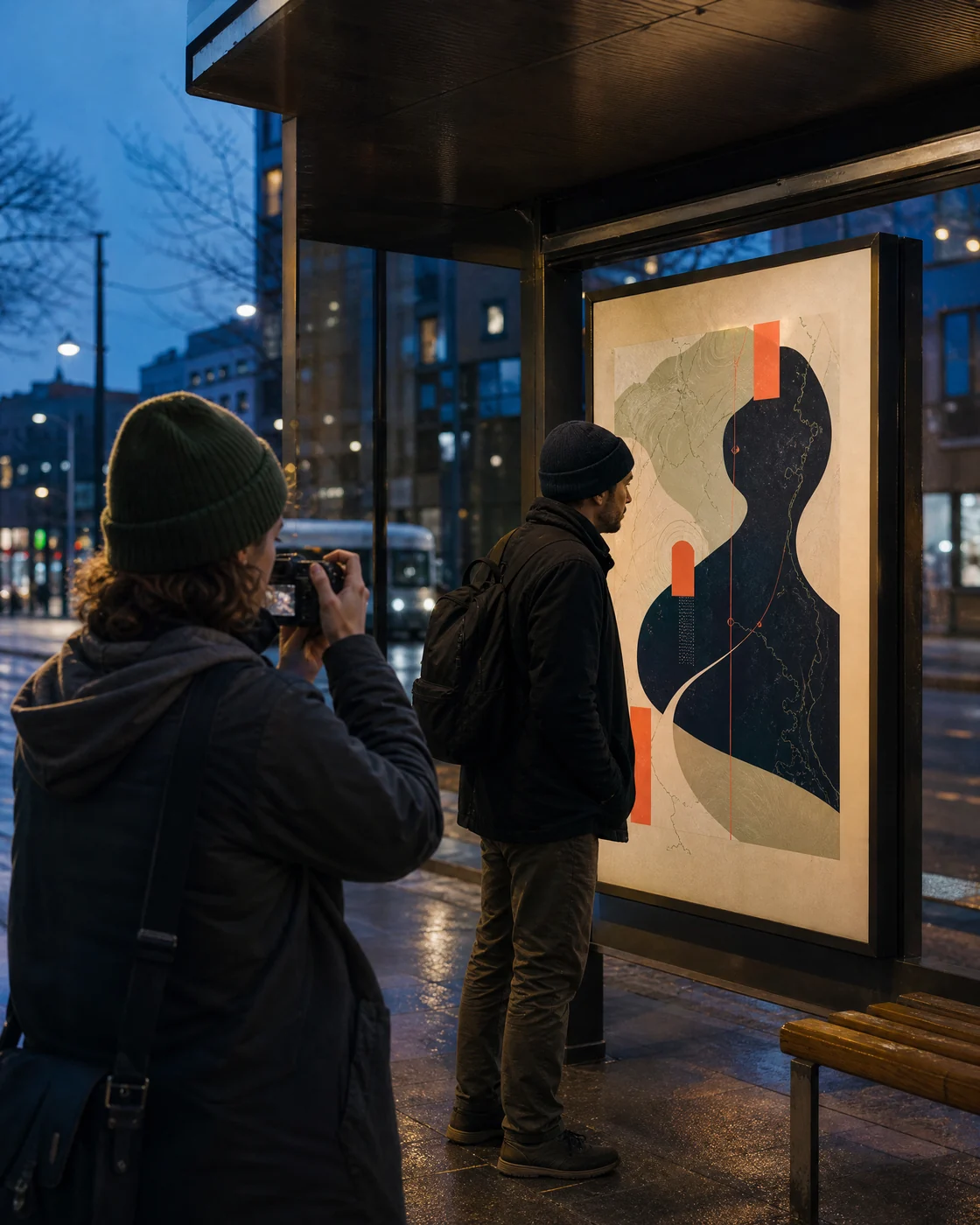
Watch a real moment before reducing it to a clickstream.
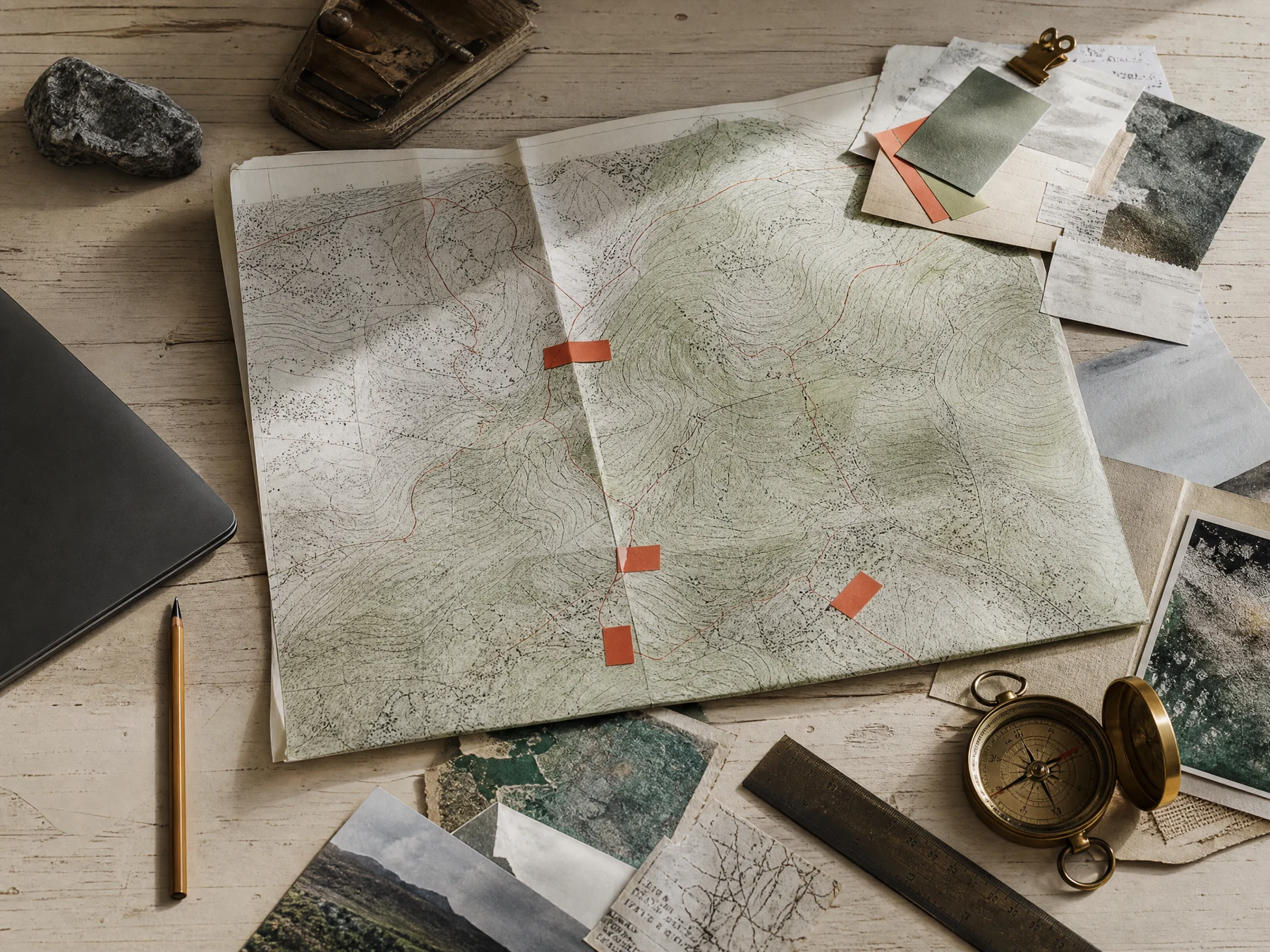
Put comments, records and objects into the same visible route.
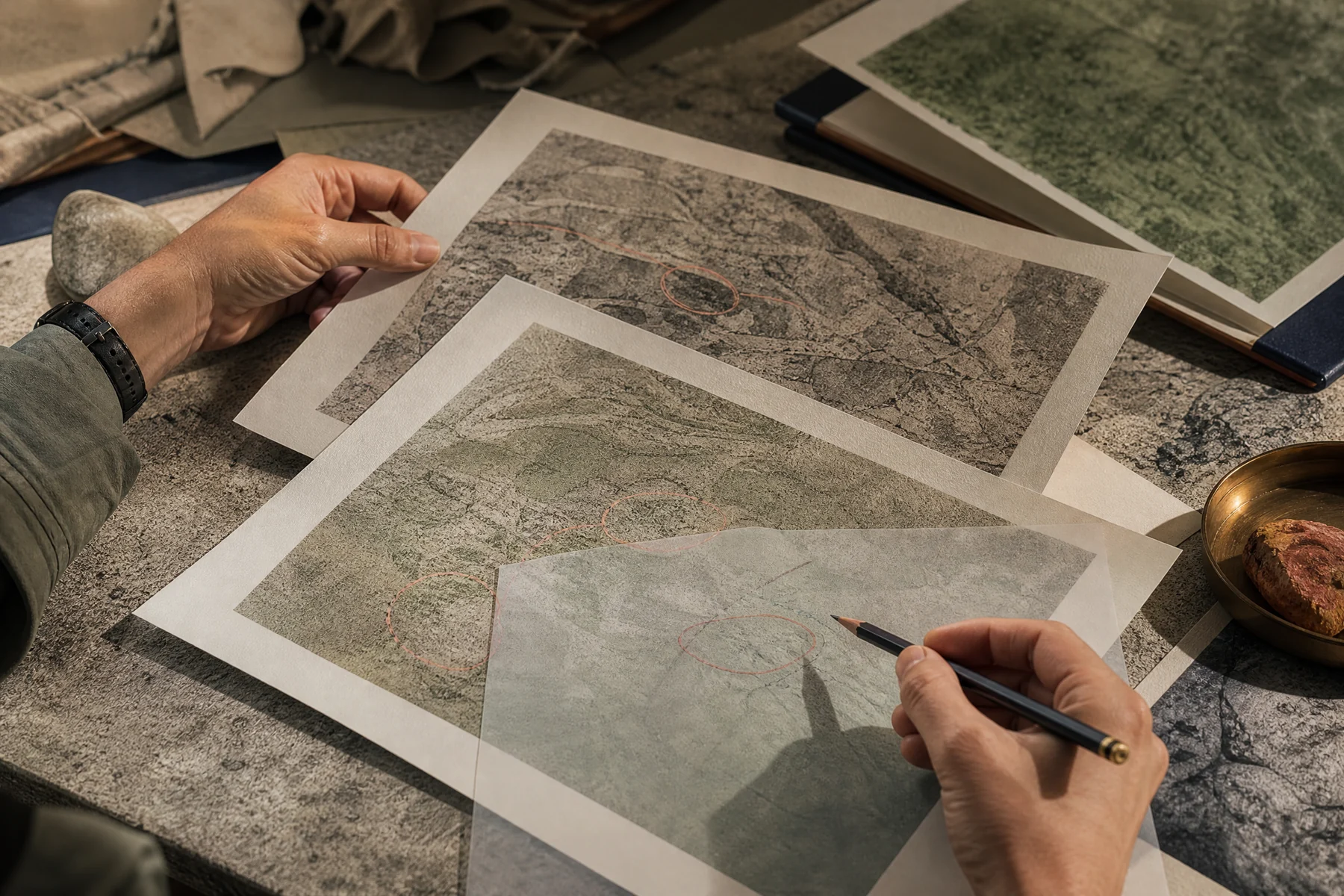
Separate a useful difference from a loud coincidence.
COMPARISON BASIN / CHANGE THE LENS, NOT THE FACTS
A comparison is helpful when the context stays visible. Use the basin to frame what your team needs to hold constant before making a claim.
Compare the promise a person sees first with the action that follows. Keep the audience, surface and timing in view.
 CONTEXTOBSERVATIONDECISION
DECISION TERRAIN / LEAVE A TRACE
Before a recommendation leaves the room, name the context, evidence and smallest test. This is how a team knows what to preserve when the terrain changes.
METHOD PASSPORT / STAMP A PRACTICE
Move through three practical stamps. Each has a prompt for a live business question rather than a library of generic techniques.
MARGIN DISPATCHES / SHORT NOTES FROM THE ROUTE
A launch label can cover first use, first purchase, first return or a new reason to care. Pick the condition before comparing behaviour.

“Make the decision visible before you make it big.”
It gives the next person permission to inspect the route rather than defend a frozen answer.
PLOT A RESEARCH REQUEST
Describe the decision, the people involved and the moment it becomes difficult to move. Do not send credentials, confidential files or unauthorised data.
NIGHT CAMP / KEEP THE ROUTE OPEN